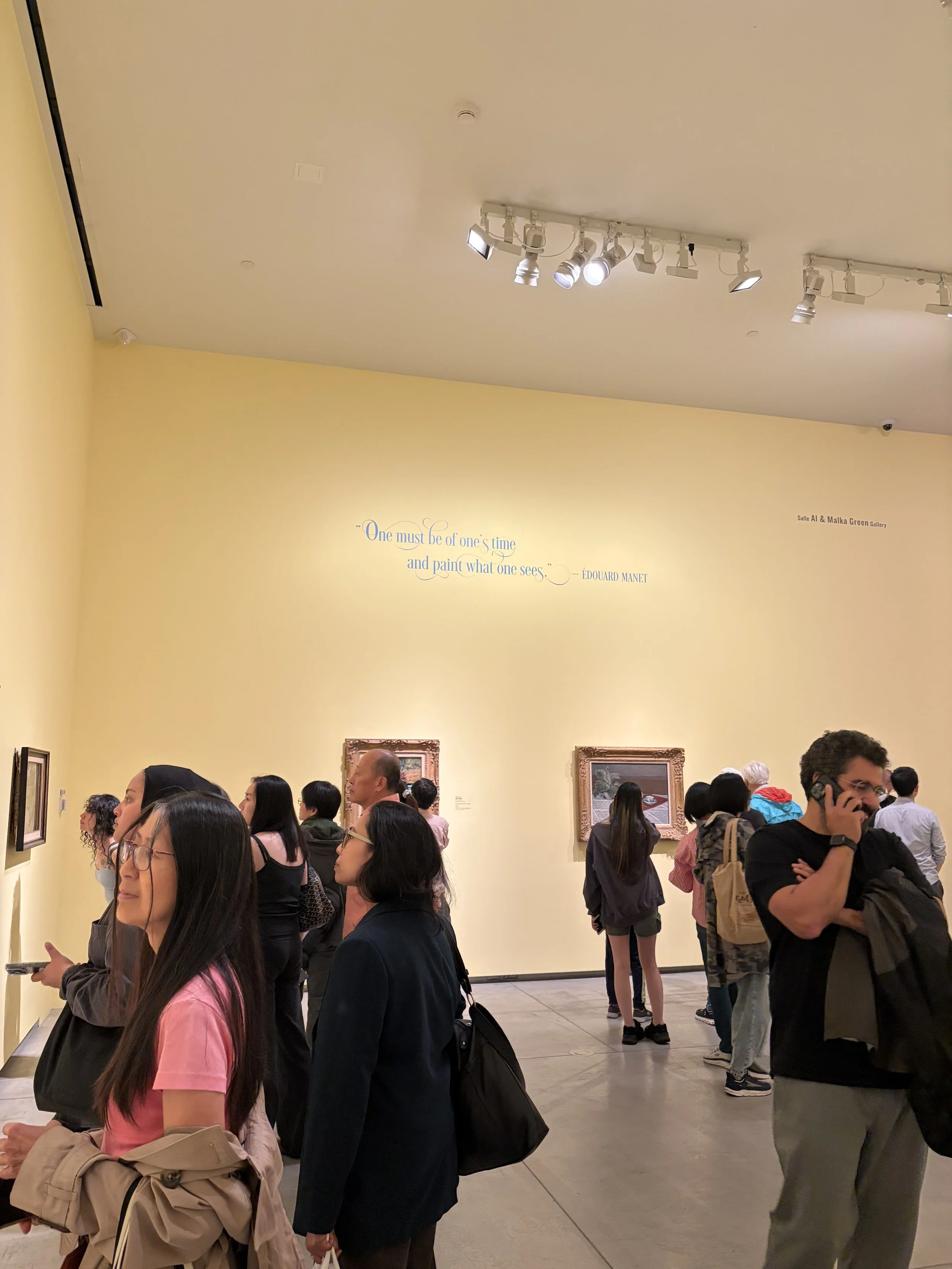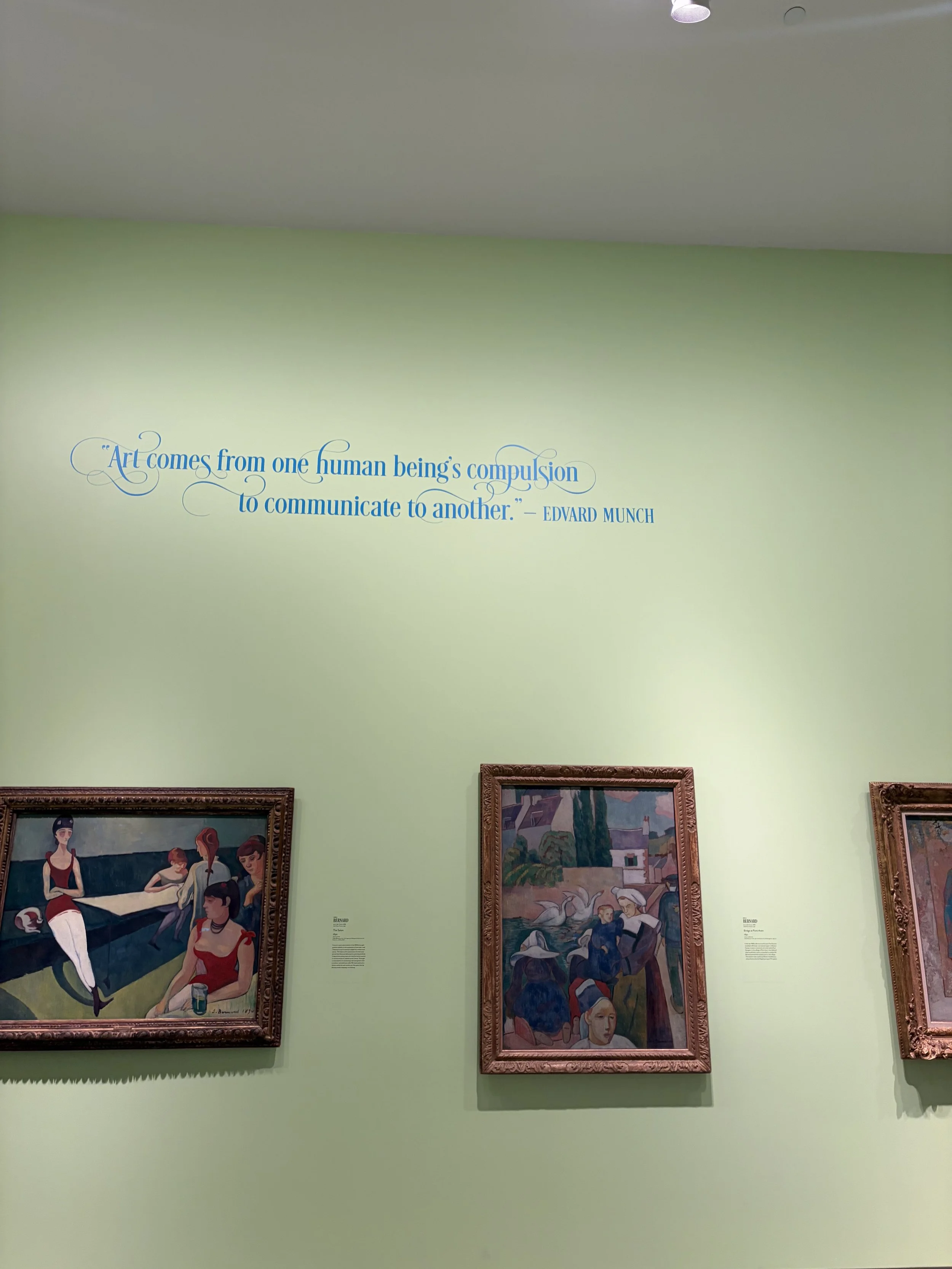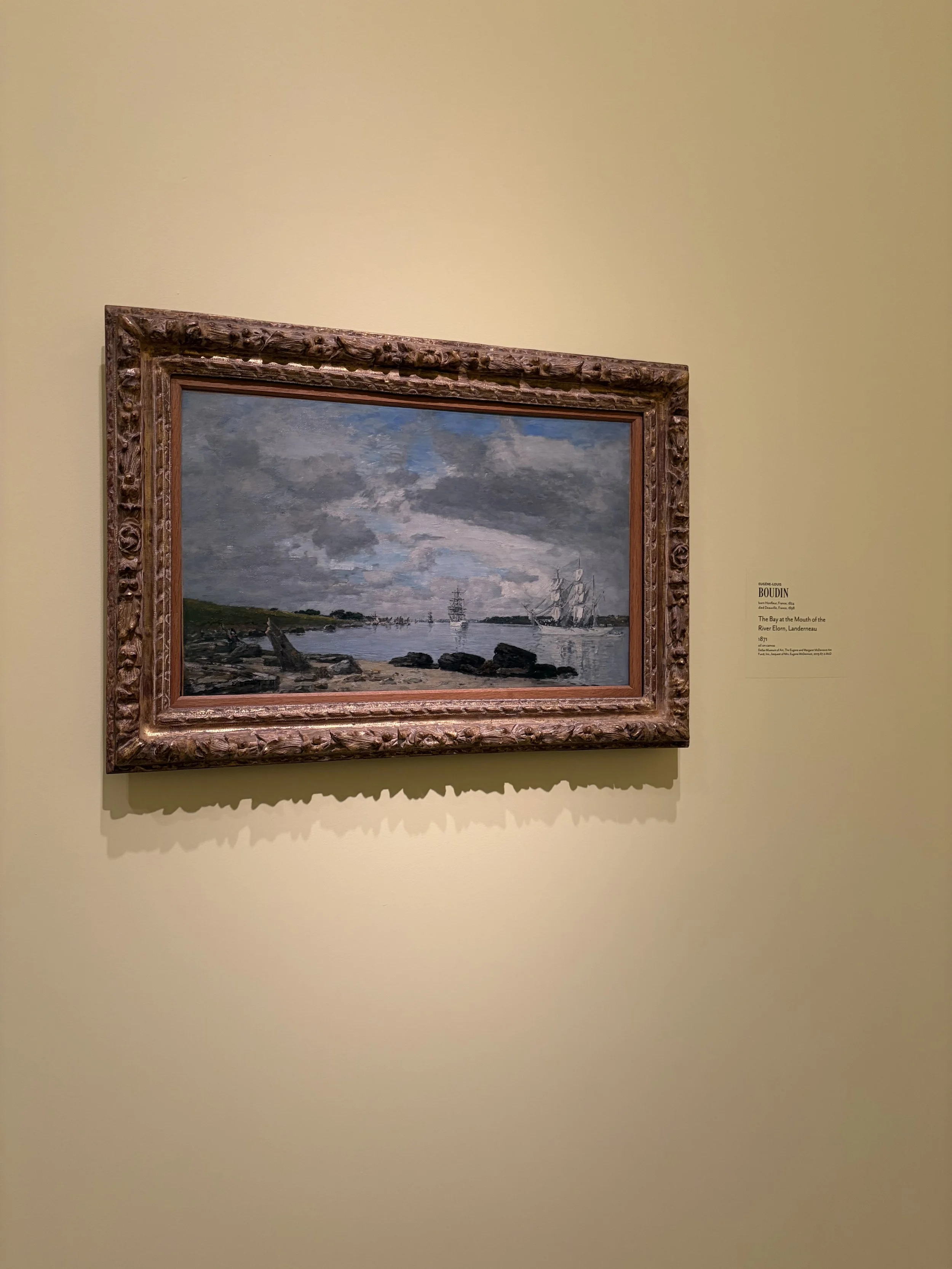
There are certain movements in art history that become so familiar that it is easy to forget how radical they once were. Impressionism is perhaps the perfect example.
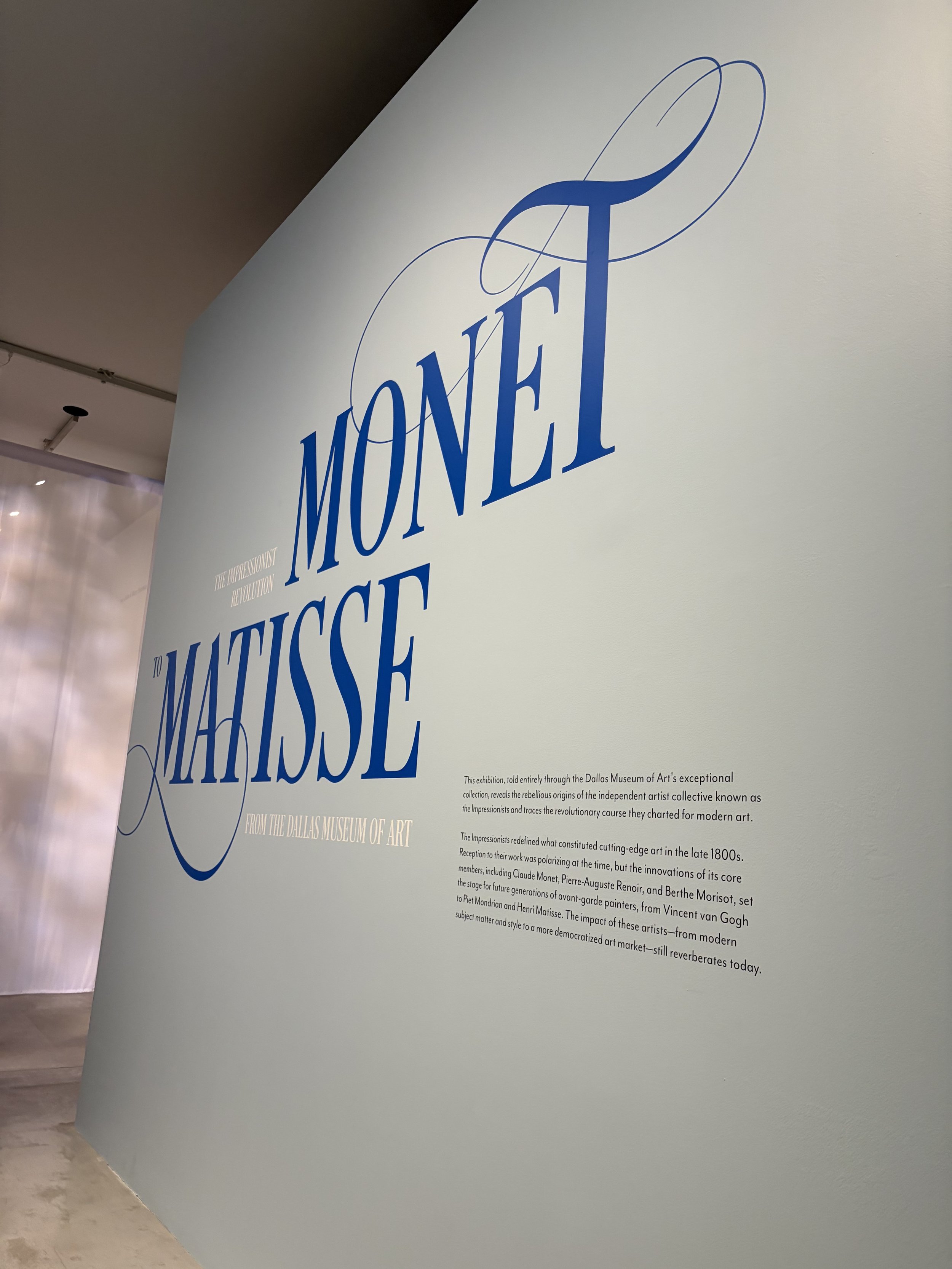
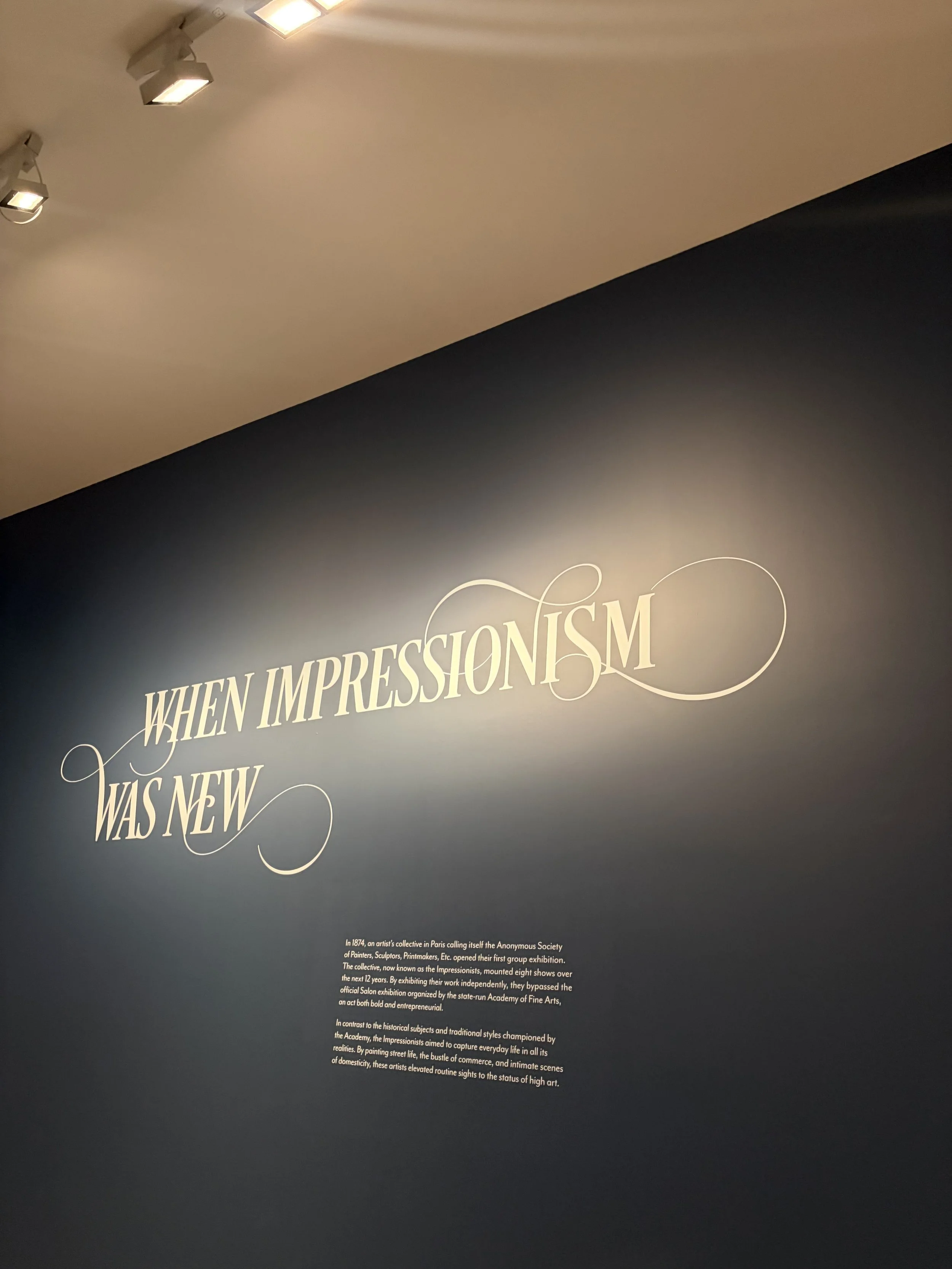
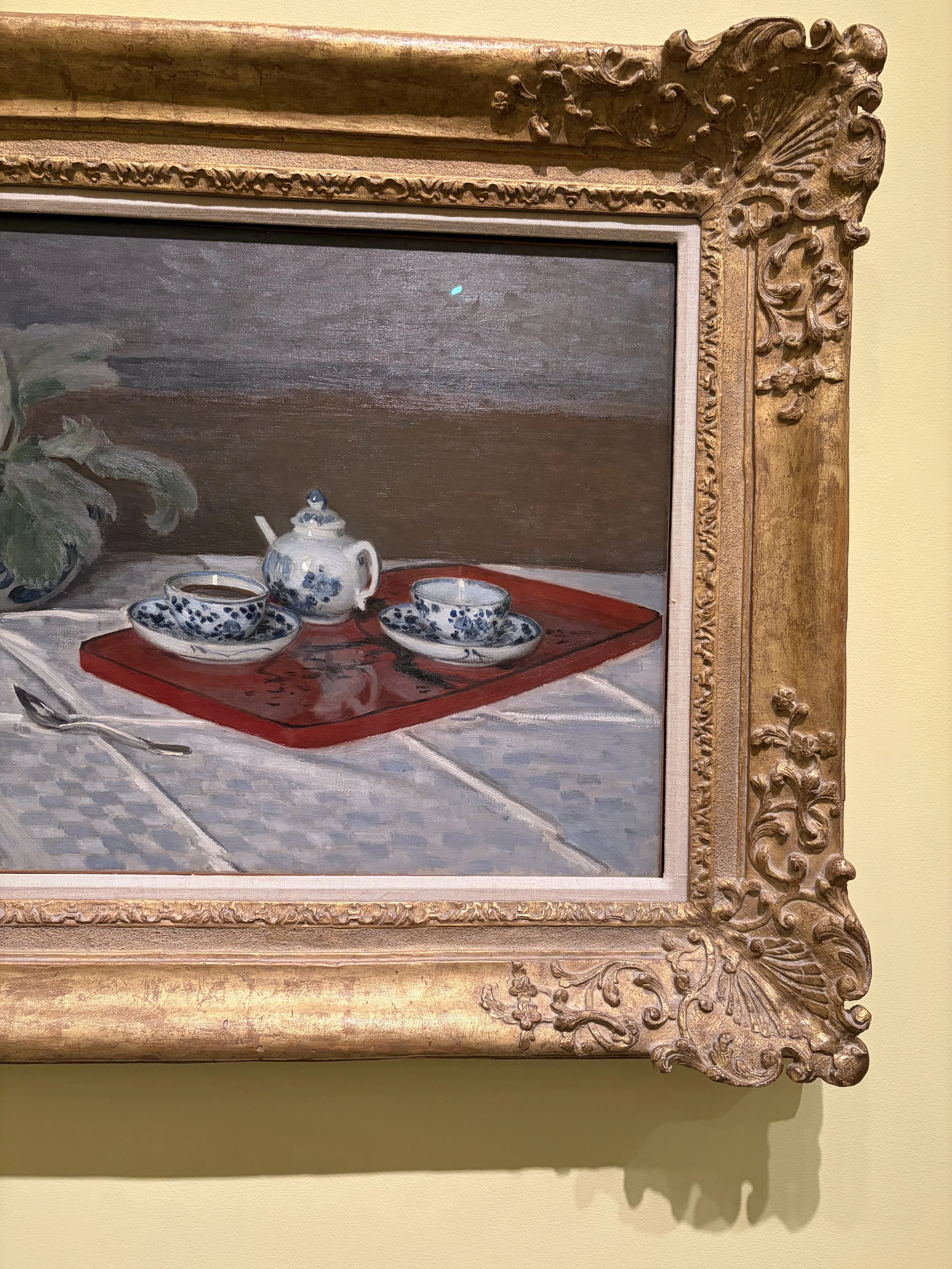
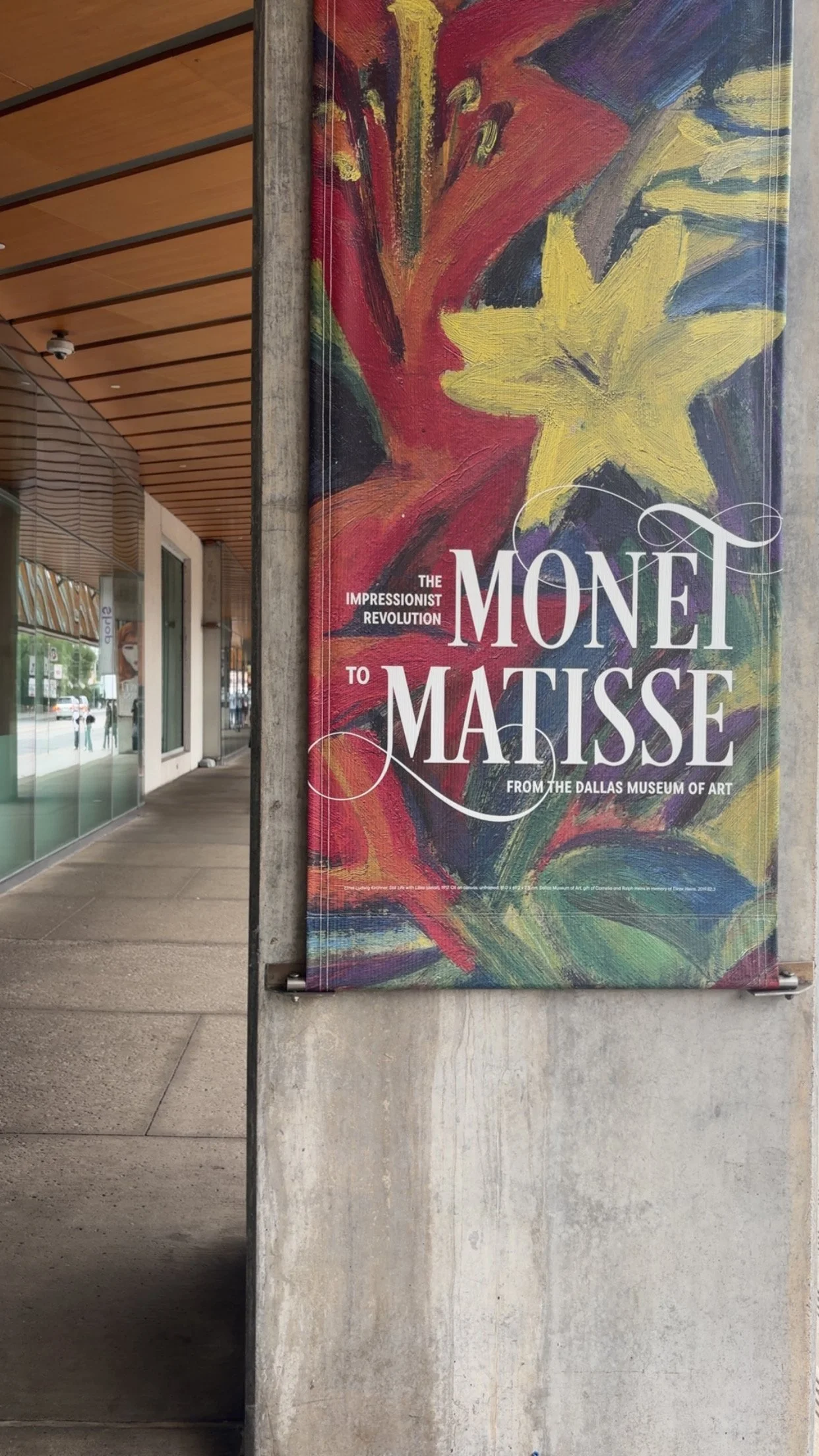
The Impressionist Revolution: Monet to Matisse, presented in Toronto with works drawn from the Dallas Museum of Art, offers an opportunity to look beyond the beauty for which Impressionism is now celebrated and reconsider the movement for what it originally represented: rebellion.
Emerging in France during the latter half of the nineteenth century, Impressionism challenged many of the conventions that governed European painting. The established art world valued carefully composed historical, religious and mythological scenes, executed with technical precision and polished surfaces. A younger generation of artists began looking elsewhere.
They painted modern life.
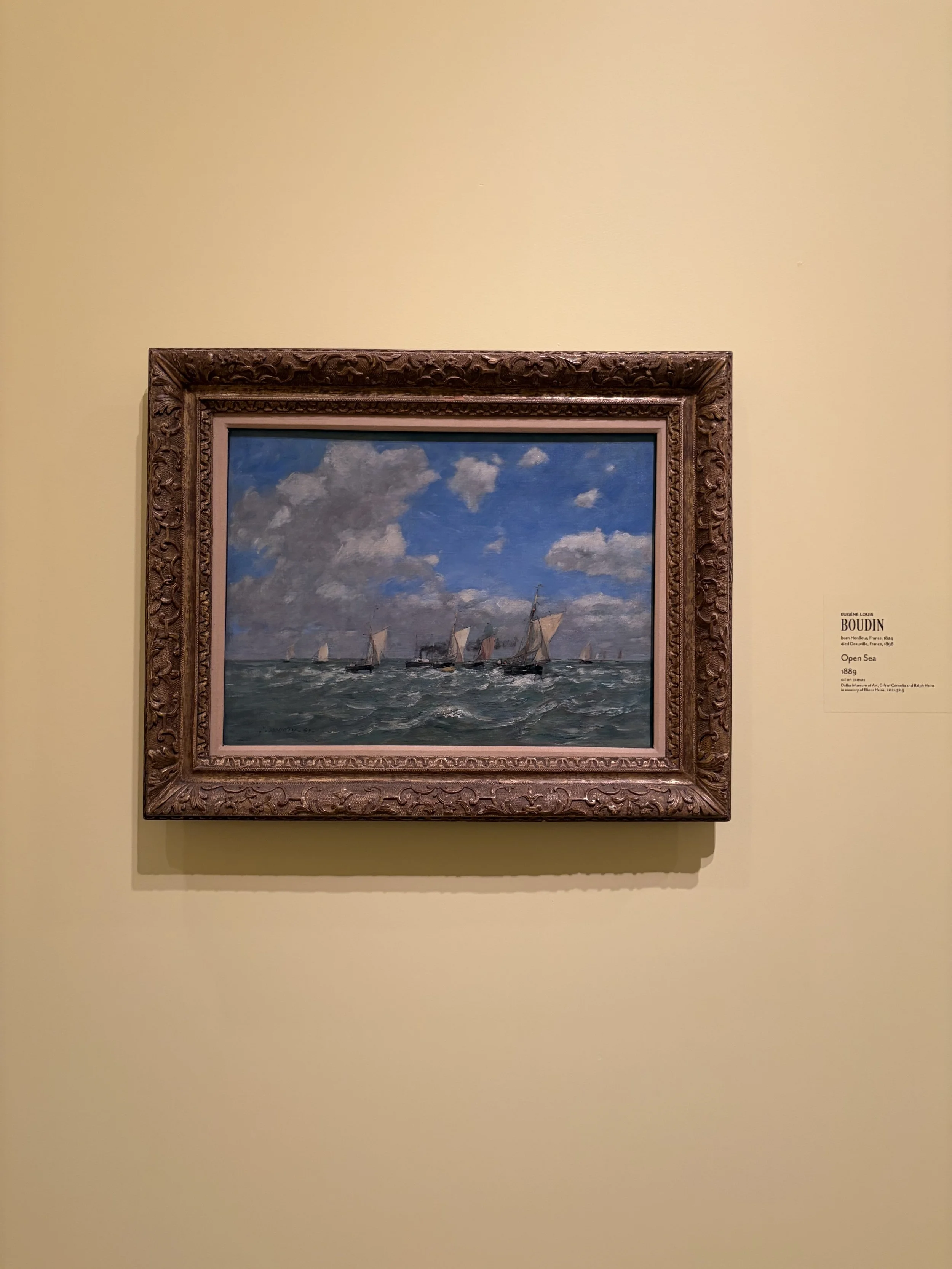
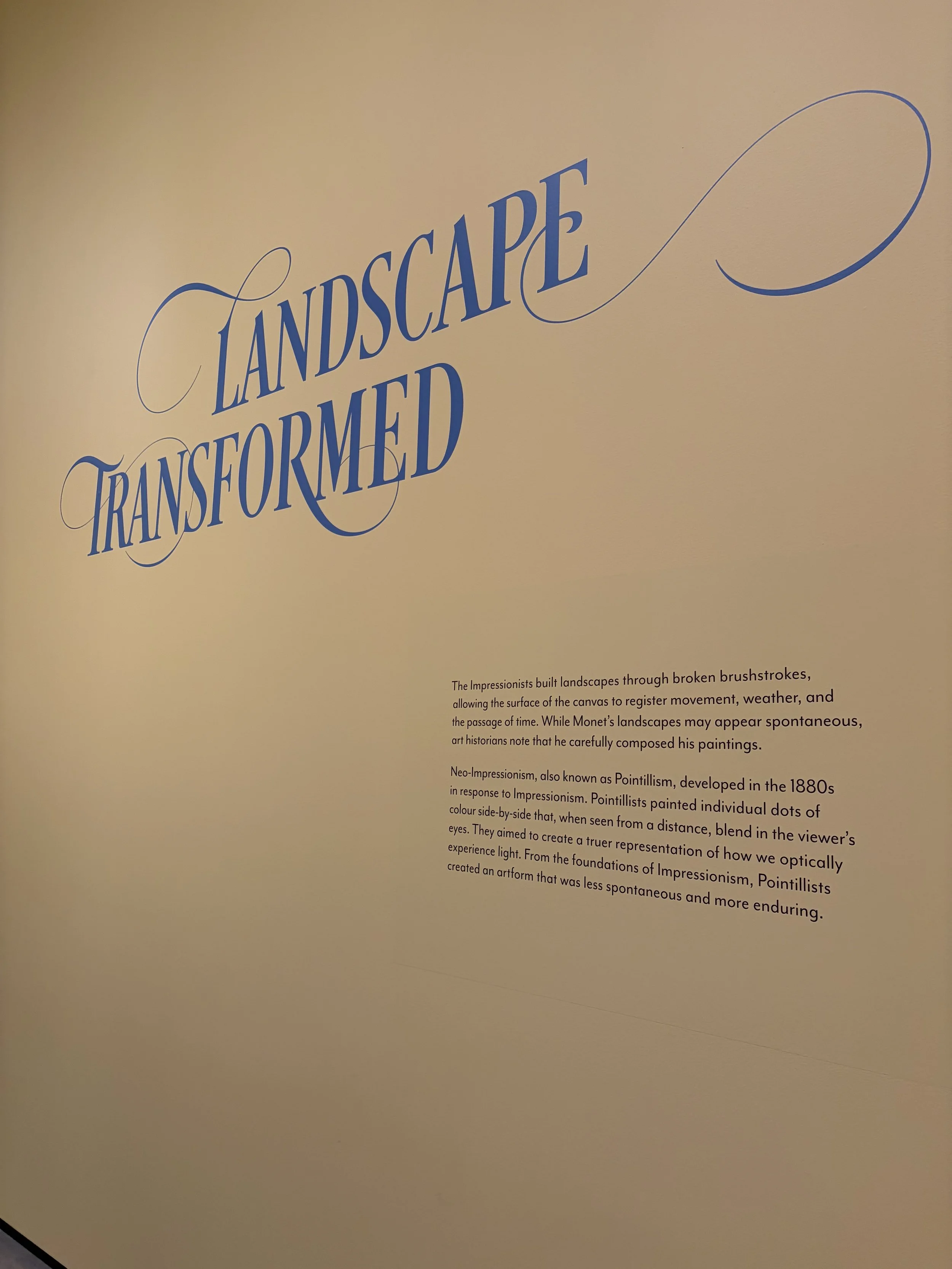
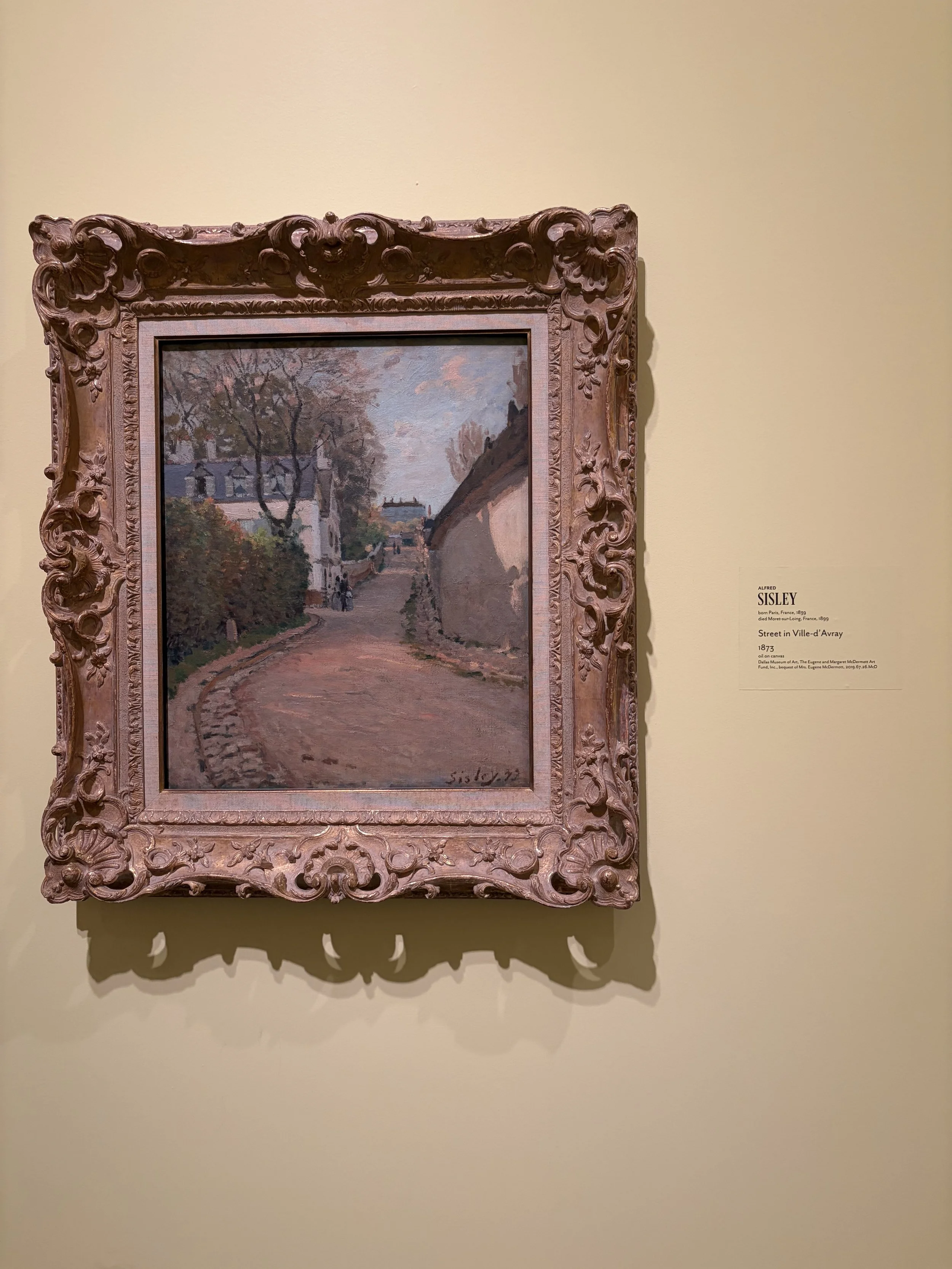
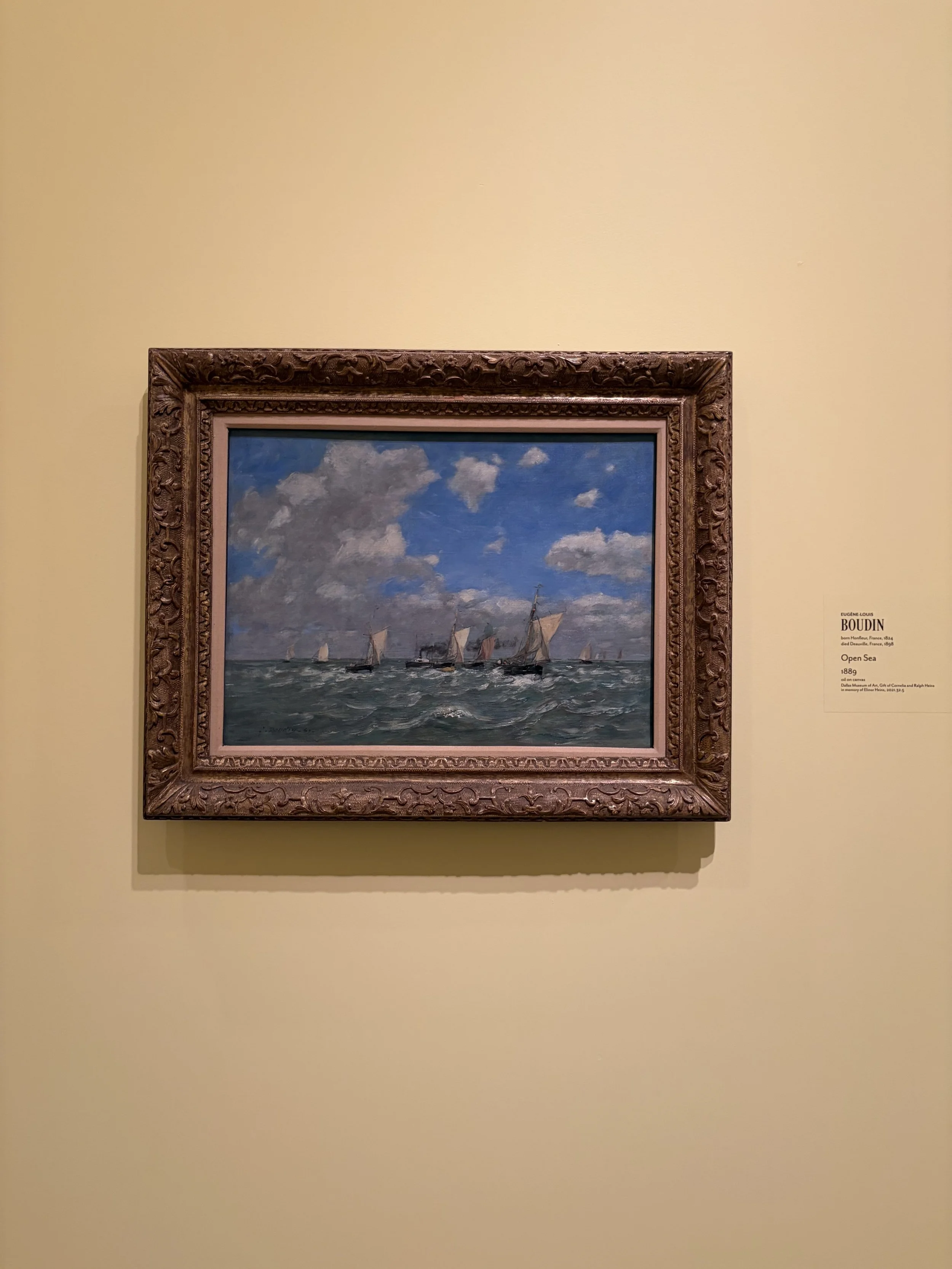
City streets, cafés, theatres, gardens, rivers and ordinary people became worthy subjects. Rather than disguising the act of painting, artists allowed individual brushstrokes to remain visible. Colour became increasingly expressive, compositions became less formal and the changing effects of natural light became subjects in their own right.
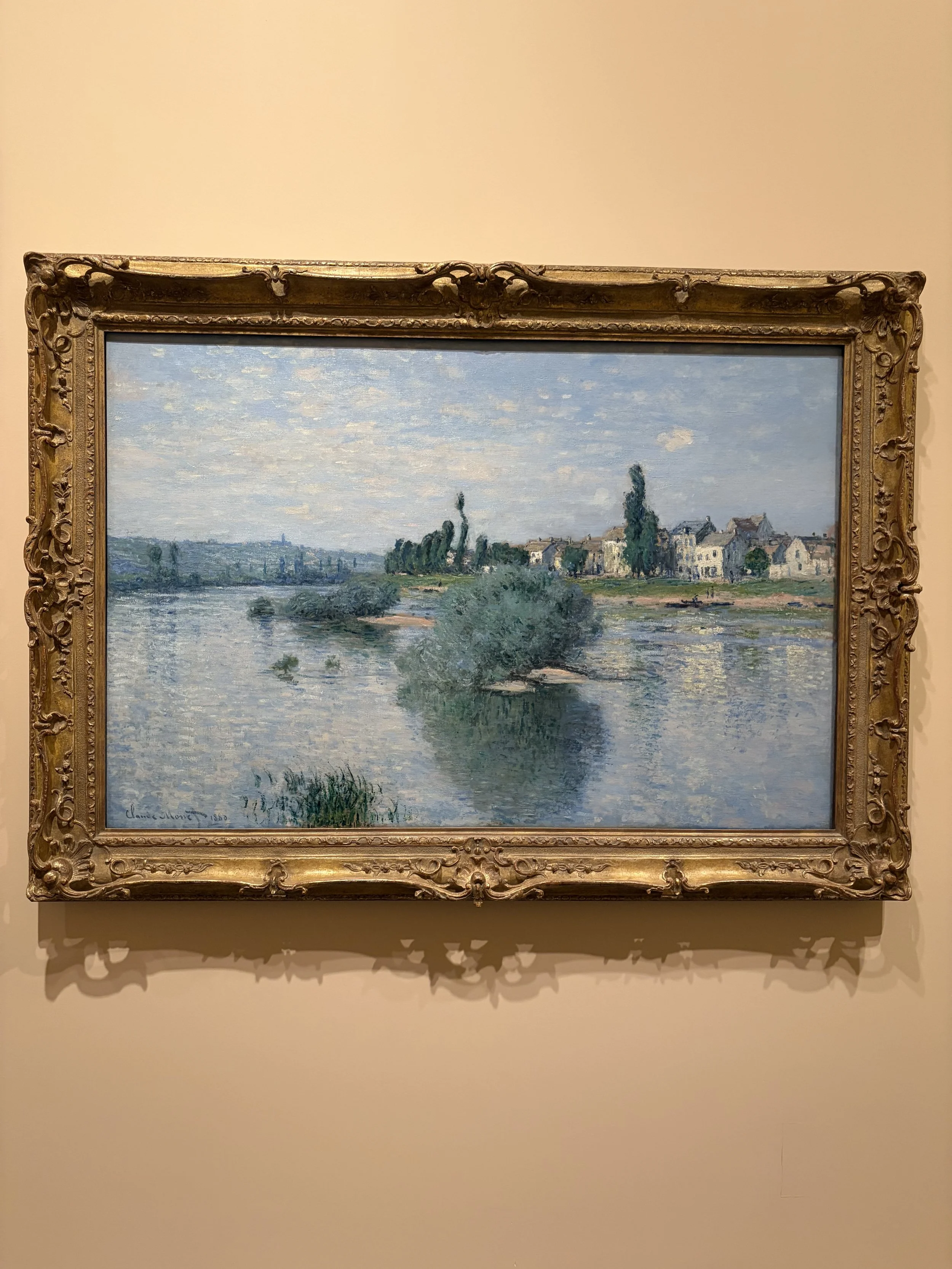
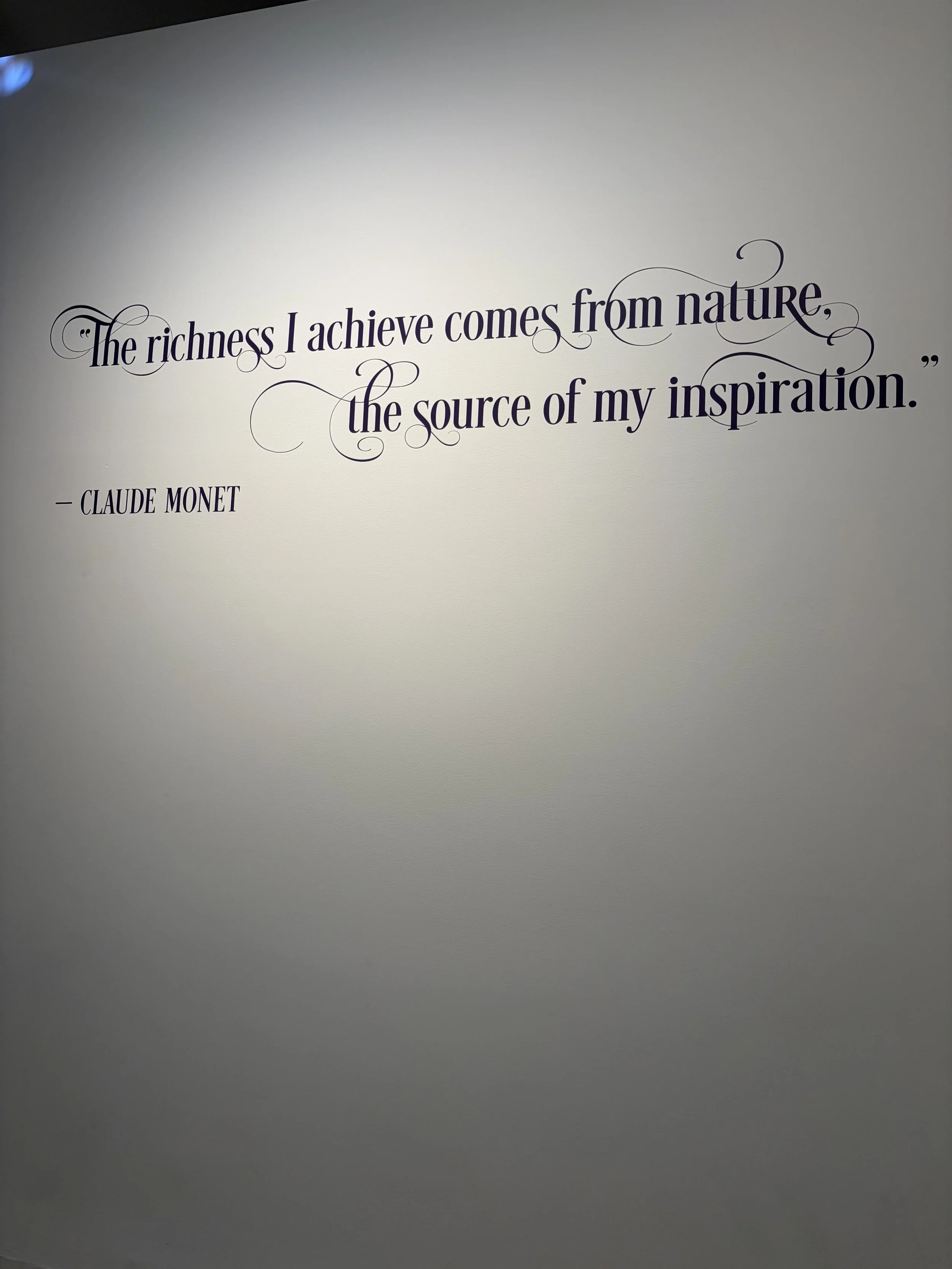
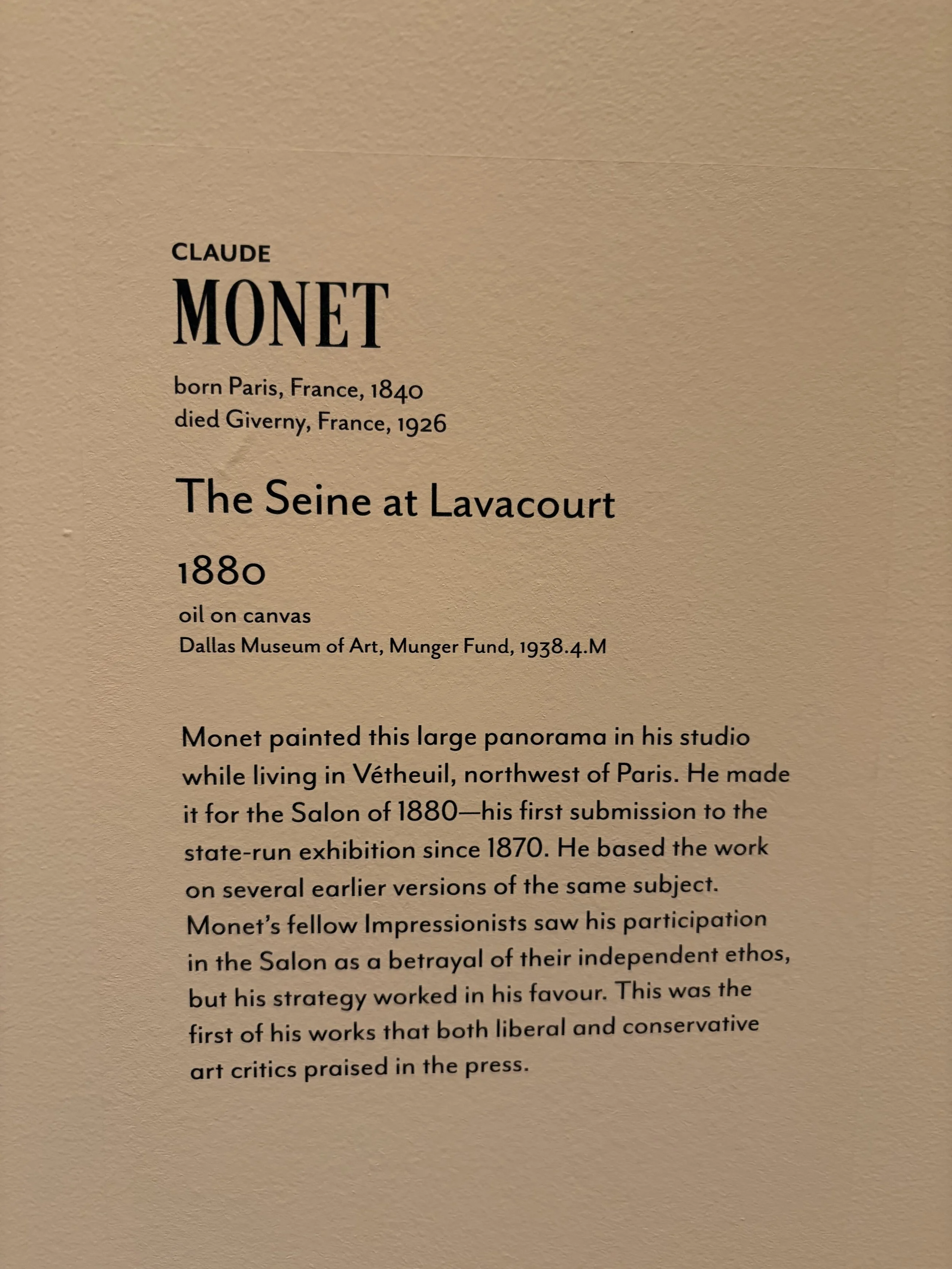
Claude Monet became one of the movement’s defining figures. His fascination with atmosphere and perception led him to return repeatedly to the same subjects, observing how a landscape could transform according to the hour, weather and season. What initially appeared spontaneous was, in fact, an extraordinary study of seeing itself.
But one of the strengths of Monet to Matisse is that the story does not end with Monet.
The presentation follows Impressionism’s influence across successive generations of artists, demonstrating how one artistic rebellion helped make another possible. Works by figures including Berthe Morisot, Edgar Degas and Camille Pissarro sit within a much broader story that eventually reaches artists such as Vincent van Gogh, Paul Gauguin, Piet Mondrian and Henri Matisse.
By the time we arrive at Matisse, colour is no longer simply being used to describe what the eye observes. It has become an independent emotional language.
That evolution is fascinating to experience.
The distance between Monet and Matisse represents far more than a change in painting style. It charts an extraordinary period in which artists progressively liberated themselves from the expectation that a painting should faithfully reproduce the visible world.
The Impressionists opened the door by asking whether an artist could paint an impression of a moment rather than an exact representation of it. The generations that followed pushed the question further: Could colour communicate emotion? Could perspective be distorted? Could a painting become increasingly abstract while still communicating something deeply human?
Those experiments would ultimately help lay the foundations for modern art.
There is an interesting irony in seeing these works today. Paintings once regarded as unconventional — even confrontational — have become some of the most beloved images in Western art. Monet’s landscapes now feel romantic. Van Gogh’s brushwork is instantly recognizable. Matisse’s colours have travelled far beyond museums, influencing fashion, interiors, photography and graphic design.
Yet understanding how disruptive these artists were in their own time makes the work feel new again.
Walking through The Impressionist Revolution, I found myself thinking less about individual masterpieces and more about the remarkable chain of influence connecting them. One artist experiments with light. Another pushes colour further. Another abandons naturalism. Slowly, almost imperceptibly, the rules change.
Perhaps that is what makes the presentation so compelling. It isn’t simply an exhibition about Impressionism.
It is about what happens when artists stop accepting the way things are supposed to look — and begin imagining how differently they might be seen.